September 30, 2026
Buying a home comes with plenty of new responsibilities, and maintaining the air conditioning system is one of the most important. Even a well-maintained system can eventually develop problems that affect cooling performance, airflow, efficiency, or overall comfort. For new homeowners, knowing what happens during a professional repair appointment can make the process easier to understand and help prevent minor issues from becoming more serious.
An air conditioning repair service can address a wide range of problems, from thermostat malfunctions and electrical issues to refrigerant leaks and frozen coils. Understanding what to expect before the technician arrives can also help homeowners recognize warning signs, prepare for the appointment, and make informed decisions about necessary repairs.
Recognizing When Your Air Conditioner Needs Attention
Watching for Common Warning Signs
Some air conditioning problems are easy to notice, while others develop gradually. A system that runs continuously without adequately cooling the home may have an underlying mechanical or airflow issue. Weak airflow from vents, uneven temperatures between rooms, frequent cycling, unusual noises, foul odors, or water around the indoor unit can also indicate that professional attention is needed. If the system does not respond properly to thermostat settings, the thermostat itself or another component may require inspection.
Ice forming on the evaporator coil or refrigerant lines is another warning sign that should not be ignored. Refrigerant problems, restricted airflow, and other malfunctions can contribute to frozen components and place additional strain on the system. Prompt air conditioning repair service can help identify the underlying cause before continued operation results in more extensive damage.
Understanding Why Small Problems Matter
New homeowners may be tempted to overlook a minor cooling problem, particularly if the system is still producing some cold air. However, an unusual sound, small leak, or gradual decline in performance can signal a developing issue. Continuing to operate an air conditioner when a component is malfunctioning can increase stress on other parts and potentially turn a relatively straightforward repair into a more involved service.
Addressing problems early can also help preserve comfort during periods of high outdoor temperatures. An air conditioner that is already struggling may have difficulty keeping the home comfortable when demand increases. Scheduling an air conditioning repair service when symptoms first appear gives a technician an opportunity to diagnose the issue before it interferes more significantly with household comfort.
Considering the System's Age
The age of an air conditioner can provide useful context when determining how to approach a repair. According to This Old House, an average air conditioning unit lasts approximately 10 years. This does not mean every system will require replacement at that point, but older equipment may have more wear and may require increasingly frequent repairs as individual components deteriorate.
A technician can evaluate the system's condition, identify the immediate problem, and explain the available repair options. For a relatively newer system, repairing a failed component may be a practical way to restore performance. For an older system with significant wear, homeowners may also want to discuss the condition of the equipment as a whole before deciding how to proceed.
Preparing for the Repair Appointment
Beginning With System Diagnostics
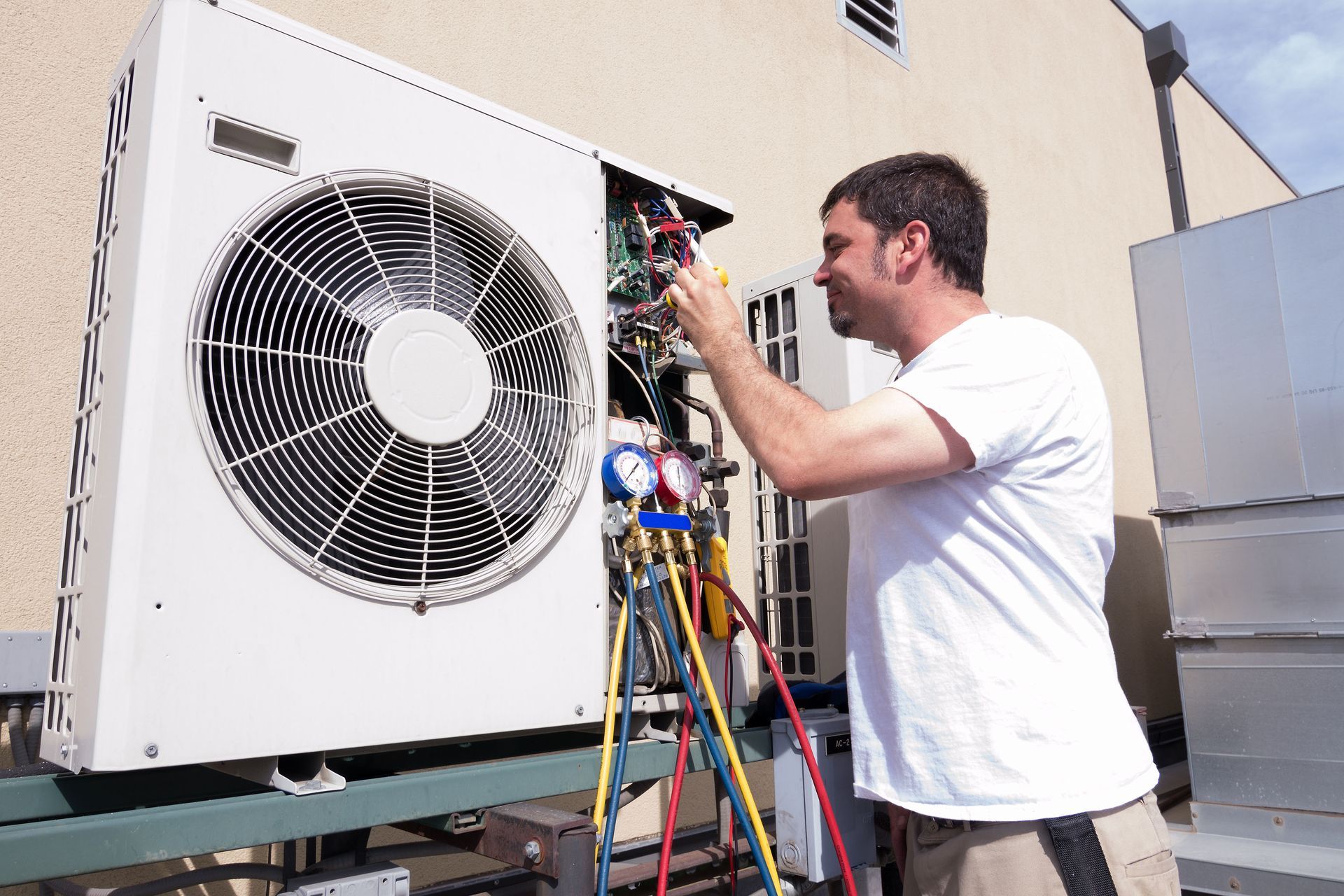
A professional repair appointment generally begins with troubleshooting and diagnostics rather than immediately replacing a component. The technician may inspect the thermostat, electrical connections, refrigerant system, coils, fans, and other components to determine why the air conditioner is not operating correctly. Testing different parts helps narrow down the cause instead of simply addressing the most obvious symptom.
This diagnostic process is particularly important because several different problems can produce similar symptoms. Poor cooling, for example, could be related to airflow restrictions, refrigerant issues, a malfunctioning compressor, dirty coils, or another mechanical problem. A thorough air conditioning repair service focuses on identifying the source of the malfunction so the appropriate repair can be performed.
Making the Home Accessible
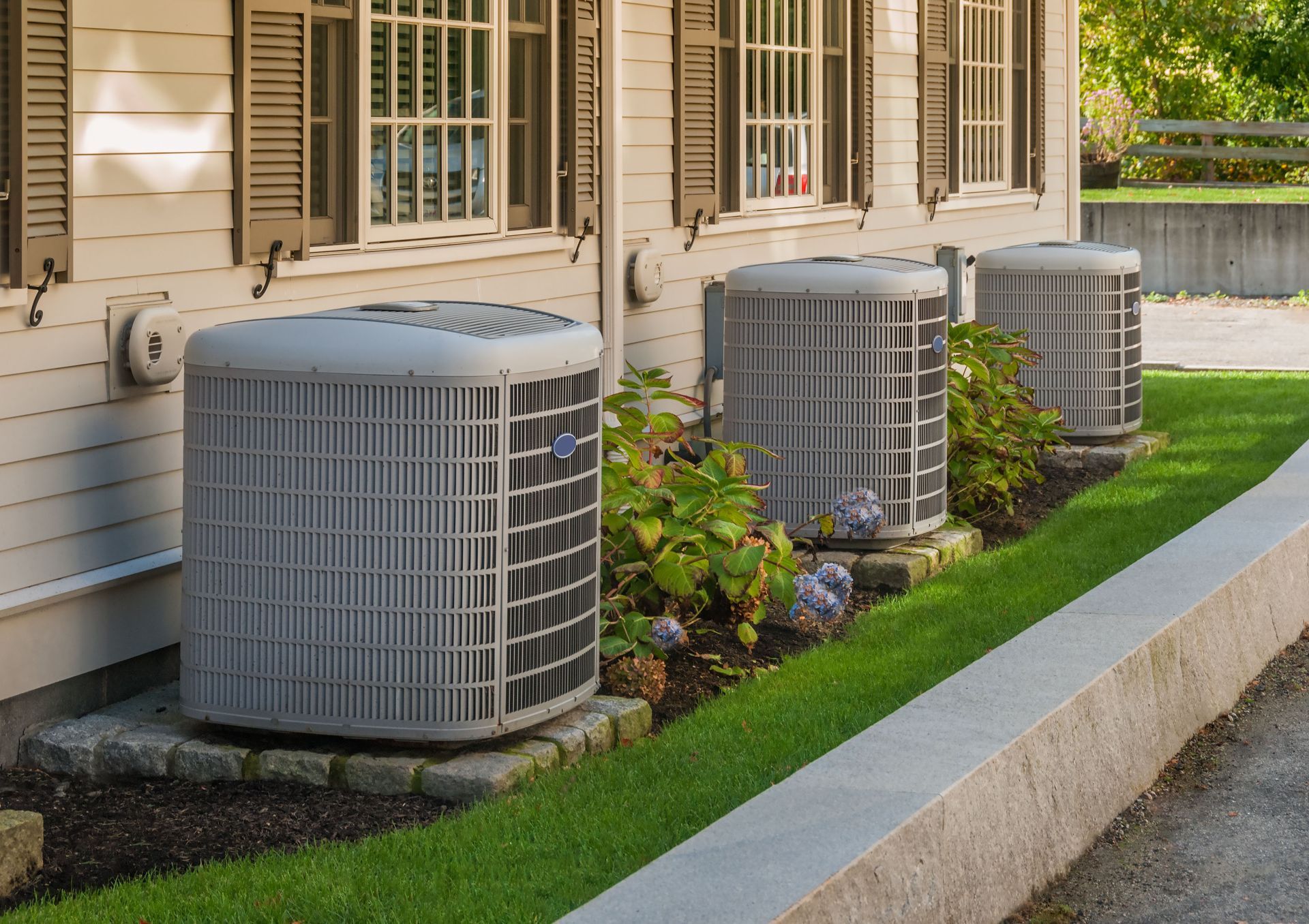
Homeowners can help make the appointment more efficient by ensuring the technician can access the indoor and outdoor portions of the cooling system. The area around the indoor equipment, thermostat, vents, and other relevant components should be reasonably accessible. Outdoor equipment should also have sufficient space for inspection and service.
It can also be helpful to describe what has changed with the system. Homeowners should mention unusual sounds, odors, leaks, temperature changes, increased energy usage, or situations when the system stops working. Providing these details can give the technician useful information before testing begins and may help narrow down potential causes.
Asking Questions About the Repair
New homeowners should not hesitate to ask questions during an air conditioning repair appointment. A professional technician should be able to explain what caused the problem, which component requires attention, what the repair involves, and what homeowners can expect after the work is completed. Clear explanations are especially helpful for people who are unfamiliar with HVAC equipment.
Homeowners may also ask whether the affected component shows signs of additional wear and whether maintenance could help prevent related issues. If a repair involves a major component such as a compressor, fan motor, circuit board, or coil, understanding the scope of the work can help homeowners make informed decisions about maintaining the system after the appointment.
Completing Repairs and Maintaining Comfort
Addressing Mechanical and Electrical Issues
Air conditioning systems contain numerous components that must operate together for reliable cooling. Depending on the diagnosis, a repair may involve replacing or repairing a compressor, fan motor, circuit board, thermostat, or electrical component. Other repairs may involve cleaning evaporator or condenser coils, correcting refrigerant problems, or addressing airflow restrictions.
Some problems can also involve the home's ductwork. Leaks, damage, or other duct-related issues can affect how effectively conditioned air reaches different rooms. A comprehensive air conditioning repair service may therefore include an inspection of connected ductwork when airflow or uneven cooling suggests that distribution is part of the problem.
Evaluating Indoor Air Quality Factors
The condition of an air conditioner's internal components can affect more than temperature control. Dust, pollen, and pet dander can accumulate in and around HVAC components when filtration and cleaning are inadequate. Dirt on evaporator coils can restrict heat transfer and make the system work harder, while contaminated components can contribute to unwanted particles circulating through the home.
During an air conditioning repair service, a technician may inspect filters, coils, and other accessible components for buildup that could interfere with system operation. Homeowners can also ask whether their current filter is appropriate for the equipment and household needs. Regular filter replacement and professional cleaning can support proper airflow and help keep the cooling system operating efficiently.
Planning for Future Maintenance
After an AC problem has been repaired, homeowners should consider how routine maintenance can reduce the likelihood of future breakdowns. Regular service can include cleaning components, inspecting electrical connections, checking refrigerant levels, evaluating airflow, and testing overall performance. These steps can help identify developing issues before they become major problems.
An annual tune-up can be particularly useful before the cooling season begins. Preventive maintenance allows technicians to find worn or malfunctioning components while also checking whether the system is operating as expected. Homeowners may also consider a maintenance agreement if they prefer a structured approach to scheduling recurring HVAC service.
For new homeowners, an air conditioning problem can seem complicated, especially when they are still learning about the systems and equipment in their new property. Recognizing warning signs, preparing for a service appointment, and understanding the diagnostic and repair process can make an unexpected breakdown easier to manage. Professional service can address problems involving electrical components, refrigerant, compressors, coils, fans, thermostats, and airflow while helping restore comfortable indoor temperatures. Call Chandler's Plumbing & Heating today for an air conditioning repair service that addresses your AC problems promptly.